Description
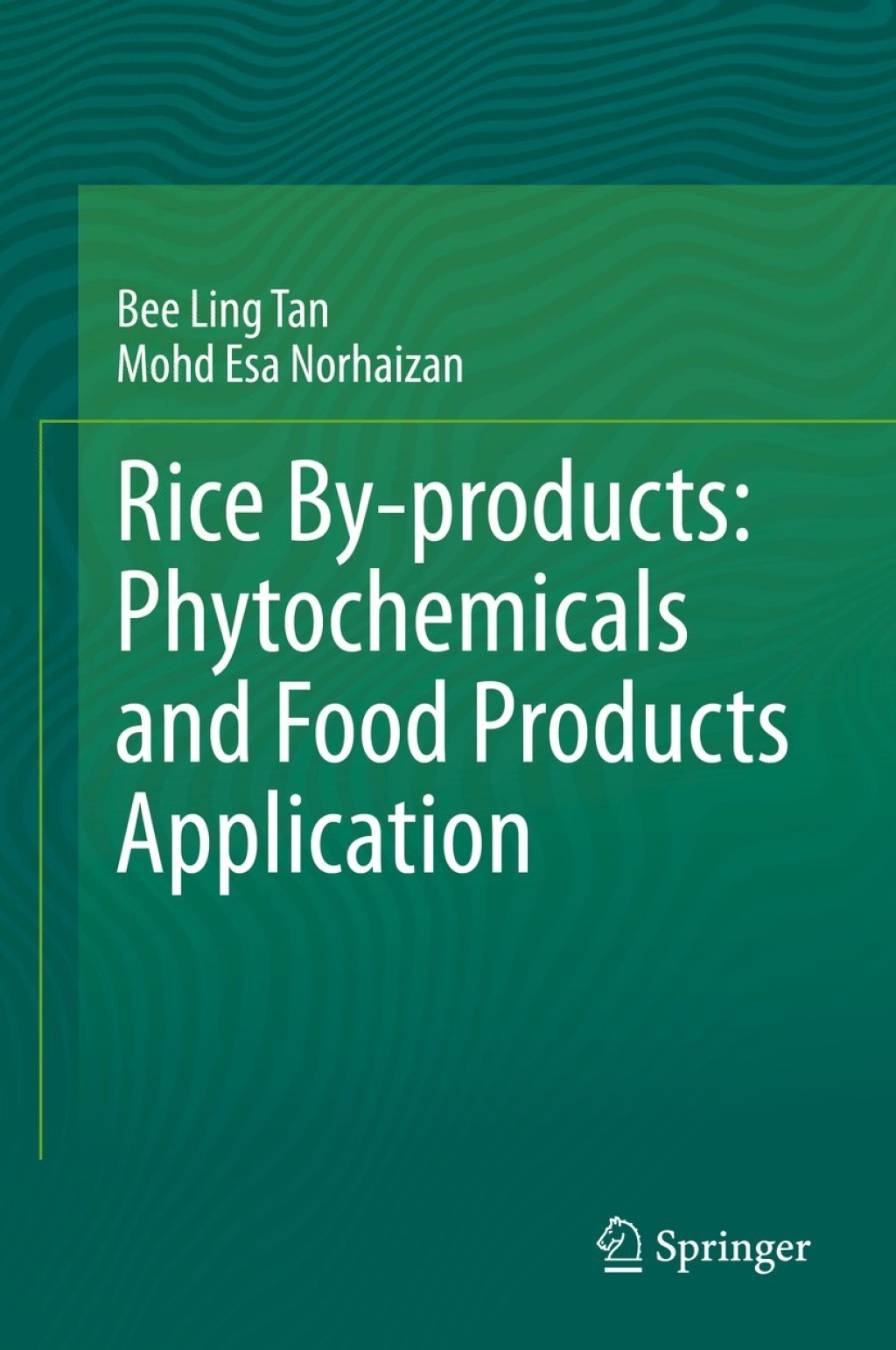
Rice is a vitally important staple food for almost half of the world�s population. As the global population increases, the demands for rice are expected to remain high. Since the rice industry will remain sustainable for a long time, the production of rice by-products will remain high. Substantial evidence suggests that rice by-products such as rice husk, rice straw, broken rice, rice germ, rice bran, and brewers� rice may possess beneficial effects against oxidative stress and metabolic disorders. These beneficial effects have been linked to the phytochemicals present in rice by-products such as vitamin E, dietary fiber, ?-oryzanol, ?-aminobutyric acid (GABA), and phytosterols. Despite this evidence, the literature pertaining to rice by-products and its derived components has not well been compiled. To this end, Rice By-products: Phytochemicals and Food Products Application provides full coverage of issues pertaining to rice by-products, namely rice demands and riceby-products production, phytonutrients and antioxidant properties of rice by-products, potential health benefits, application in food products, and future prospects. By summarizing all the information in a lucid and comprehensive manner, authors provide a cohesive representation of the literature on the molecular mechanisms involved in the pharmacological effects of the bioactive components that present in rice by-products, as well as plausible means for the prevention of metabolic disorders for readers and allied stakeholders.Typham this is the title: Rice By-products: Phytochemicals and Food Products Application


Reviews
There are no reviews yet.