Description
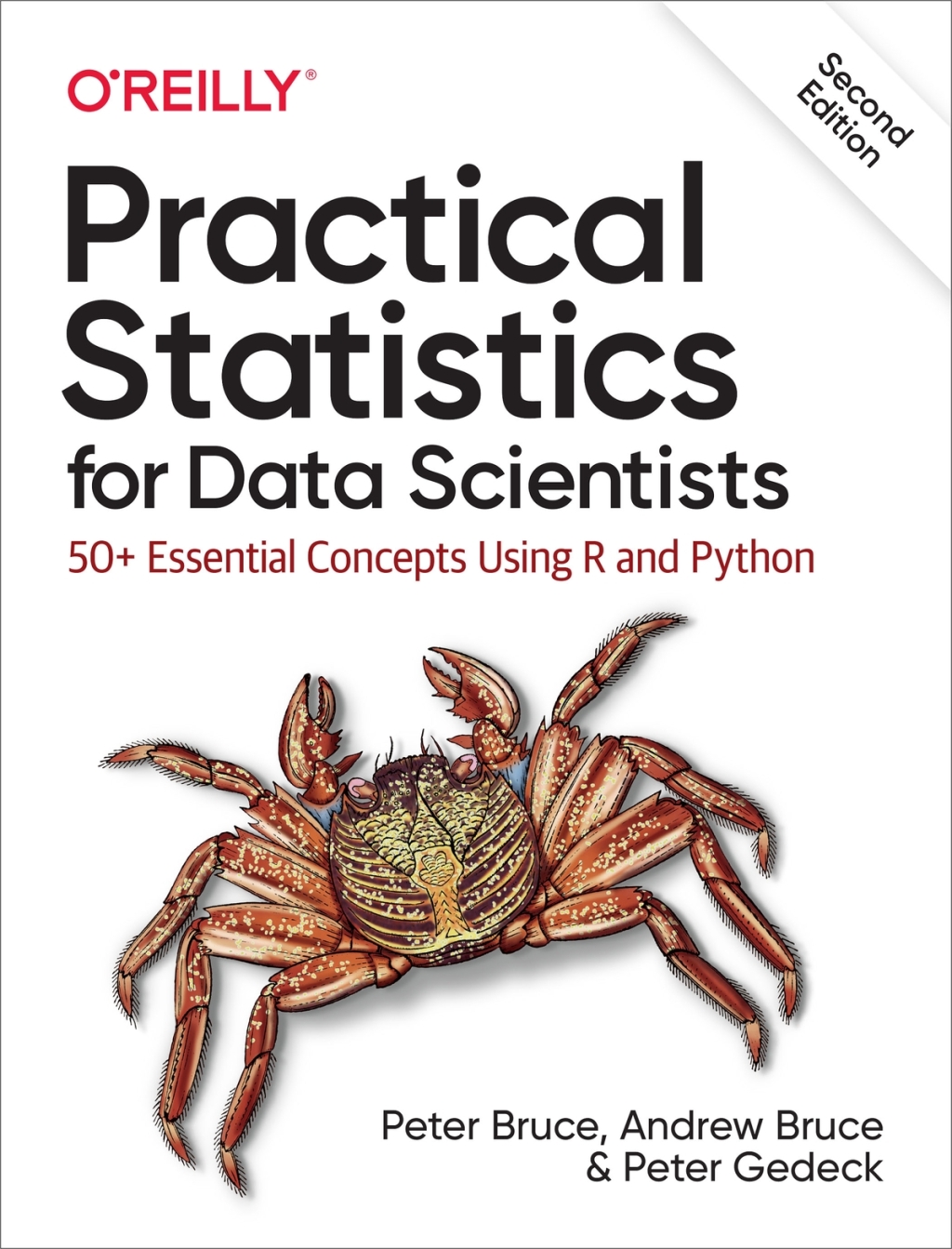
Statistical methods are a key part of data science, yet few data scientists have formal statistical training. Courses and books on basic statistics rarely cover the topic from a data science perspective. The second edition of this popular guide adds comprehensive examples in Python, provides practical guidance on applying statistical methods to data science, tells you how to avoid their misuse, and gives you advice on what‚Äôs important and what‚Äôs not. Many data science resources incorporate statistical methods but lack a deeper statistical perspective. If you‚Äôre familiar with the R or Python programming languages and have some exposure to statistics, this quick reference bridges the gap in an accessible, readable format. With this book, you‚Äôll learn: Why exploratory data analysis is a key preliminary step in data science How random sampling can reduce bias and yield a higher-quality dataset, even with big data How the principles of experimental design yield definitive answers to questions How to use regression to estimate outcomes and detect anomalies Key classification techniques for predicting which categories a record belongs to Statistical machine learning methods that “learn” from data Unsupervised learning methods for extracting meaning from unlabeled data


Reviews
There are no reviews yet.