Description
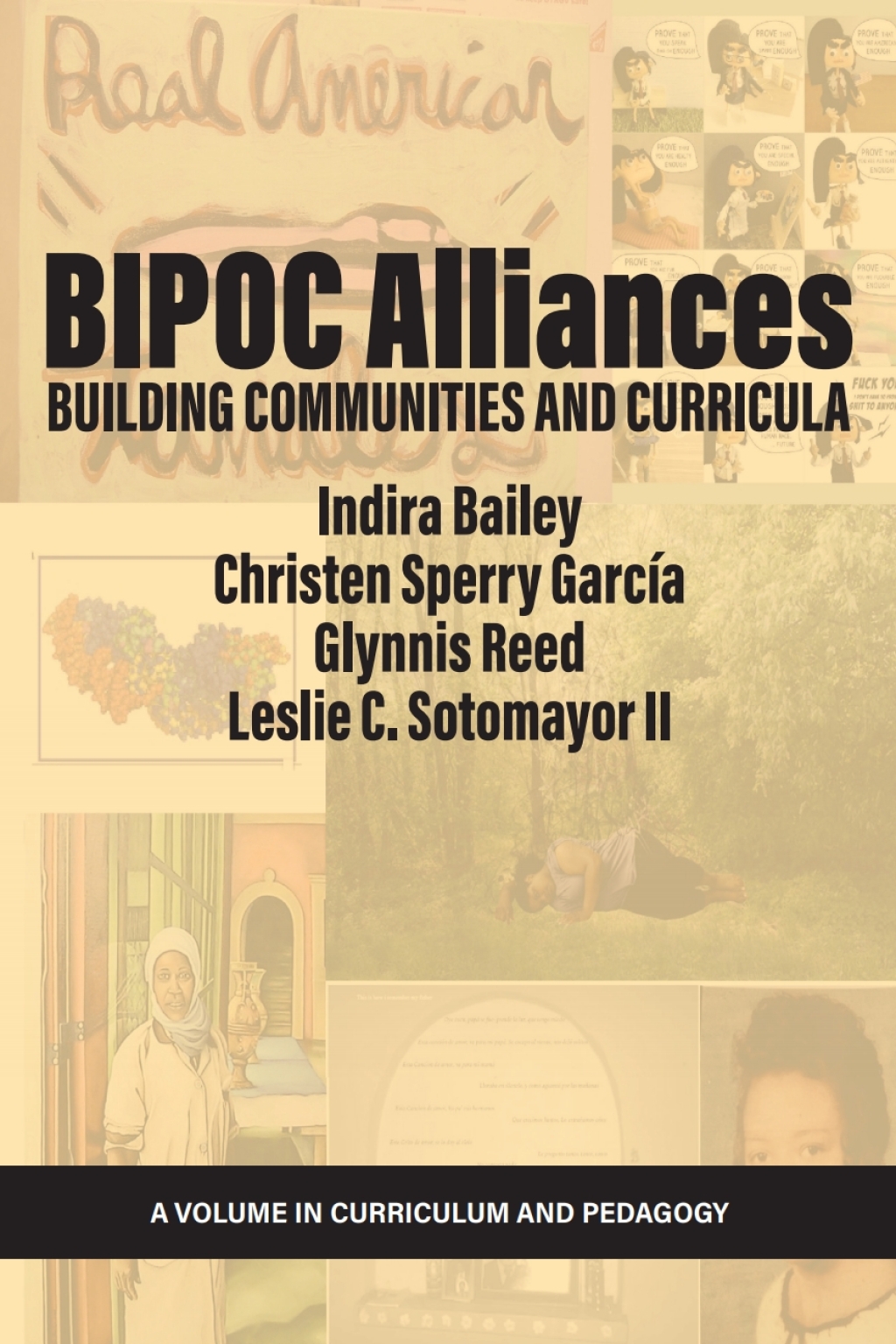
BIPOC Alliances: Building Communities and Curricula is a collection of reflective experiences that confront, challenge, and resist hegemonic academic canons. BIPOC perspectives are often scarce in scholarly academic venues and curriculum. This edited book is a curated collection of interdisciplinary, underrepresented voices, and lived experiences through critical methodologies for empowerment (Reilly & Lippard, 2018). Gloria Anzaldu a’s (2015) autohistoria-teorí a is a lens for decolonizing and theorizing of one’s own experiences, historical contexts, knowledge, and performances through creative acts, curriculum, and writing. Gloria Anzaldu a coined, autohistoria-teorí a, a feminist writing practice of testimonio as a way to create self-knowledge, belonging, and to bridge collaborative spaces through self-empowerment. Anzaldu a encouraged us to focus towards social change through our testimonios and art, “[t]he healing images and narratives we imagine will eventually materialize” (Anzaldu a & Keating, 2009, p. 247).
For this collection, we use lived experience or testimonios as an approach, a method, to conduct research and to bear witness to learners and one‚Äôs own experiences (Reyes & Rodr√≠ guez, 2012). Maxine Greene‚Äôs (1995) concept of an emancipated pedagogy merges art, culture, and history as one education that empowers students with Gloria Anzaldu a‚Äôs (2015) autohistoria-teor√≠ a to re-imagine individual and collective inclusion by allowing students ‚Äú… to read and to name, to write and to rewrite their own lived worlds‚Äù (Greene, 1995, pp. 147). Greene and Anzaldu a reach beyond theorizing and creating curriculum for awareness and expand the crossings into active and critical self- reflective work to rewrite one‚Äôs own empowered stories and engage in a healing process.


Reviews
There are no reviews yet.