Description
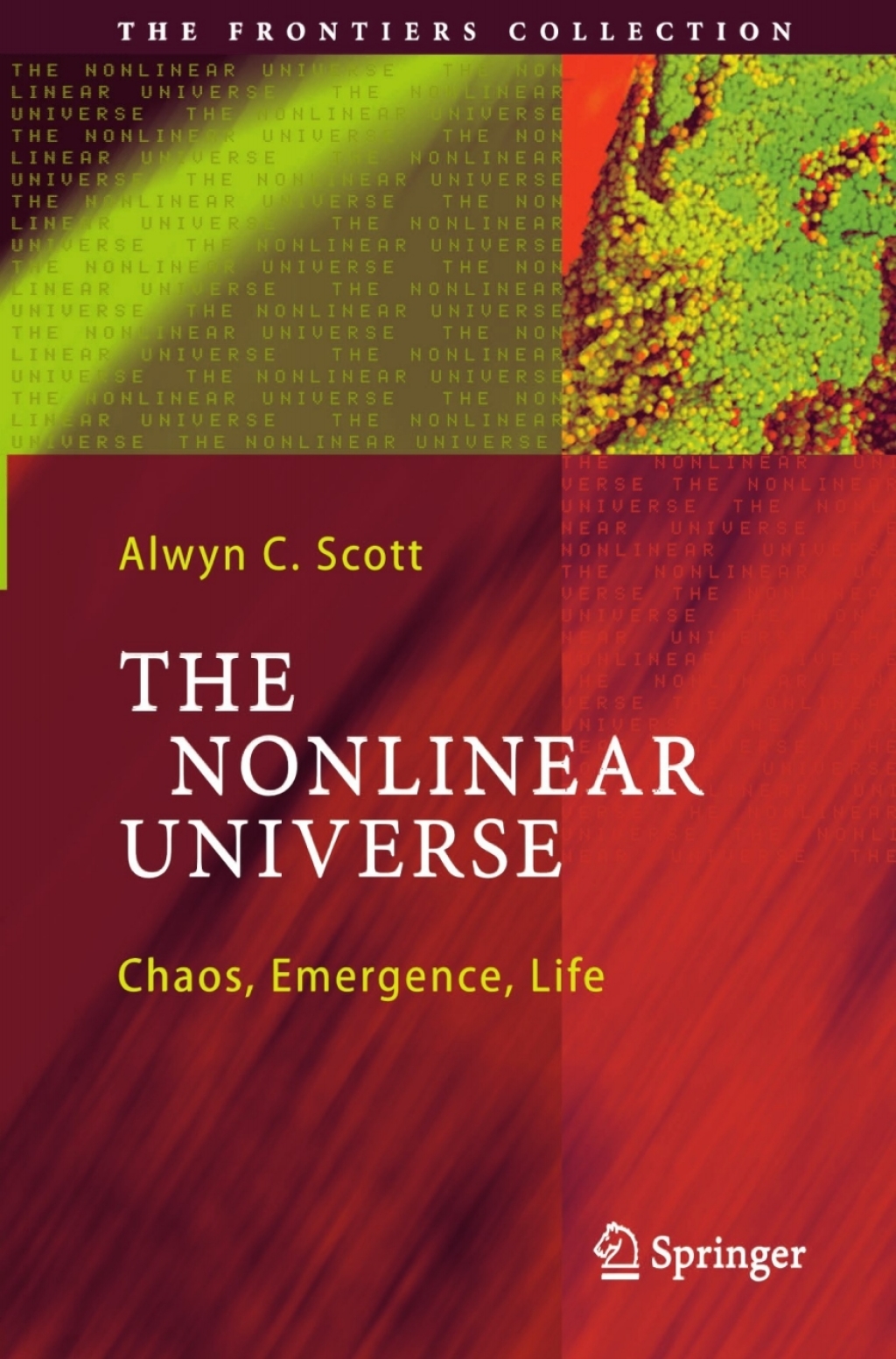
It has been suggested that the big questions of science are answered � that science has entered a �twilight age� where all the important knowledge is known and only the details need mopping up. And yet, the unprecedented progress in science and technology in the twentieth century has raised qu- tions that weren�t conceived of a century ago. This book argues that, far from being nearlycomplete, the storyof sciencehas many morechapters,yet unwritten. With the perspective of the century�s advance, it�s as if we have climbed a mountain and can see just how much broader the story is. Instead of asking how an apple falls from a tree, as Isaac Newton did in the17thcentury,wecannowask:Whatisthefundamentalnatureofanapple (matter)? How does an apple (biological organism) form and grow? Whence came the breeze that blew it loose (meteorology)? What in a physical sense (synaptic ?rings) was the idea that Newton had, and how did it form? A new approach to science that can answer such questions has sprung up in the past 30 years. This approach � known as nonlinear science�ismore than a new ?eld. Put simply, it is the recognition that throughout nature, the whole is greater than the sum of the parts. Unexpected things happen.Typham this is the title: The Nonlinear Universe Chaos, Emergence, Life


Reviews
There are no reviews yet.